Thinkbox: Why the biggest moments still happen on TV
Thinkbox: Why the biggest moments still happen on TV
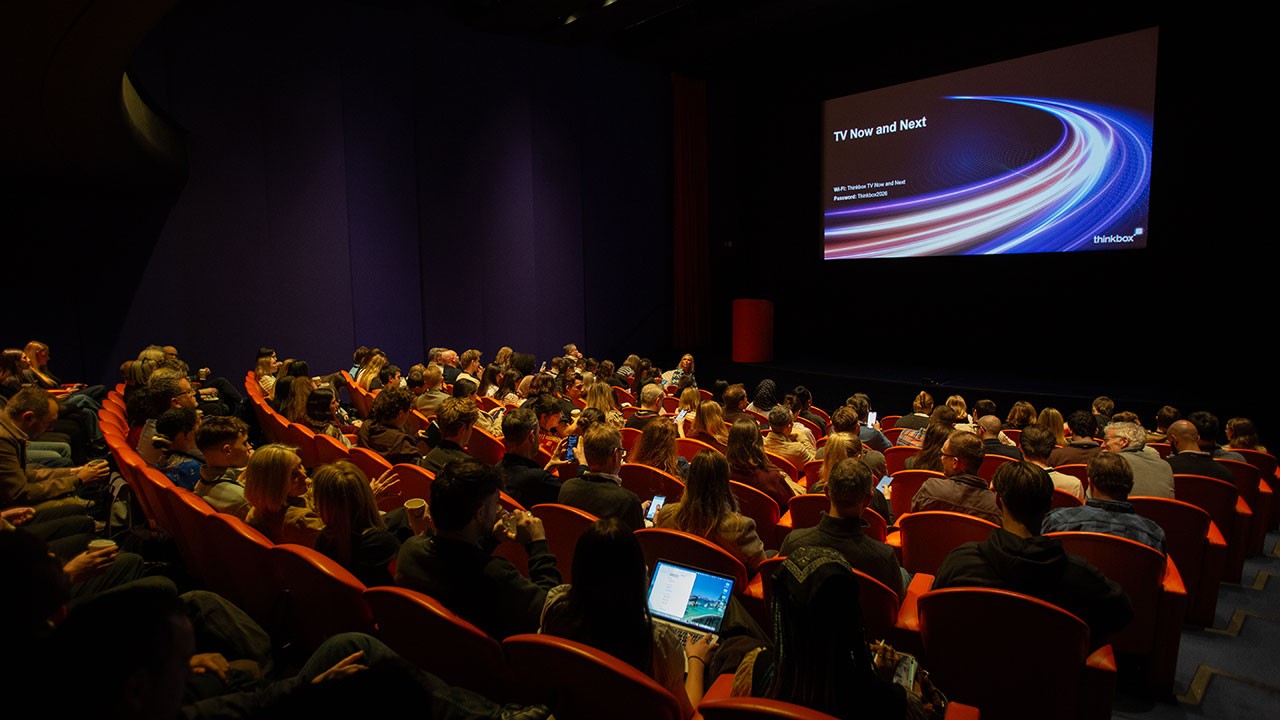
Earlier this month, Accord’s Strategy team attended Thinkbox’s highly anticipated industry event, ‘TV: Now and Next.’
Earlier this month, Accord’s Strategy team attended Thinkbox’s highly anticipated industry event, ‘TV: Now and Next.’

Emily Williams
Research Executive
Bringing together broadcasters, planners and brands, the session explored how television continues to evolve and why, despite a rapidly changing media landscape, TV remains one of the most powerful platforms for advertisers.
Bringing together broadcasters, planners and brands, the session explored how television continues to evolve and why, despite a rapidly changing media landscape, TV remains one of the most powerful platforms for advertisers.
Bringing together broadcasters, planners and brands, the session explored how television continues to evolve and why, despite a rapidly changing media landscape, TV remains one of the most powerful platforms for advertisers.
Why TV hasn’t changed as much as we think
The last decade has been anything but quiet. From Brexit and Covid to the meteoric rise of TikTok, geopolitical uncertainty, AI breakthroughs and multiple UK elections, the period between 2016 and 2025 has been defined by constant disruption.
Yet against this backdrop of change, television has shown remarkable resilience.
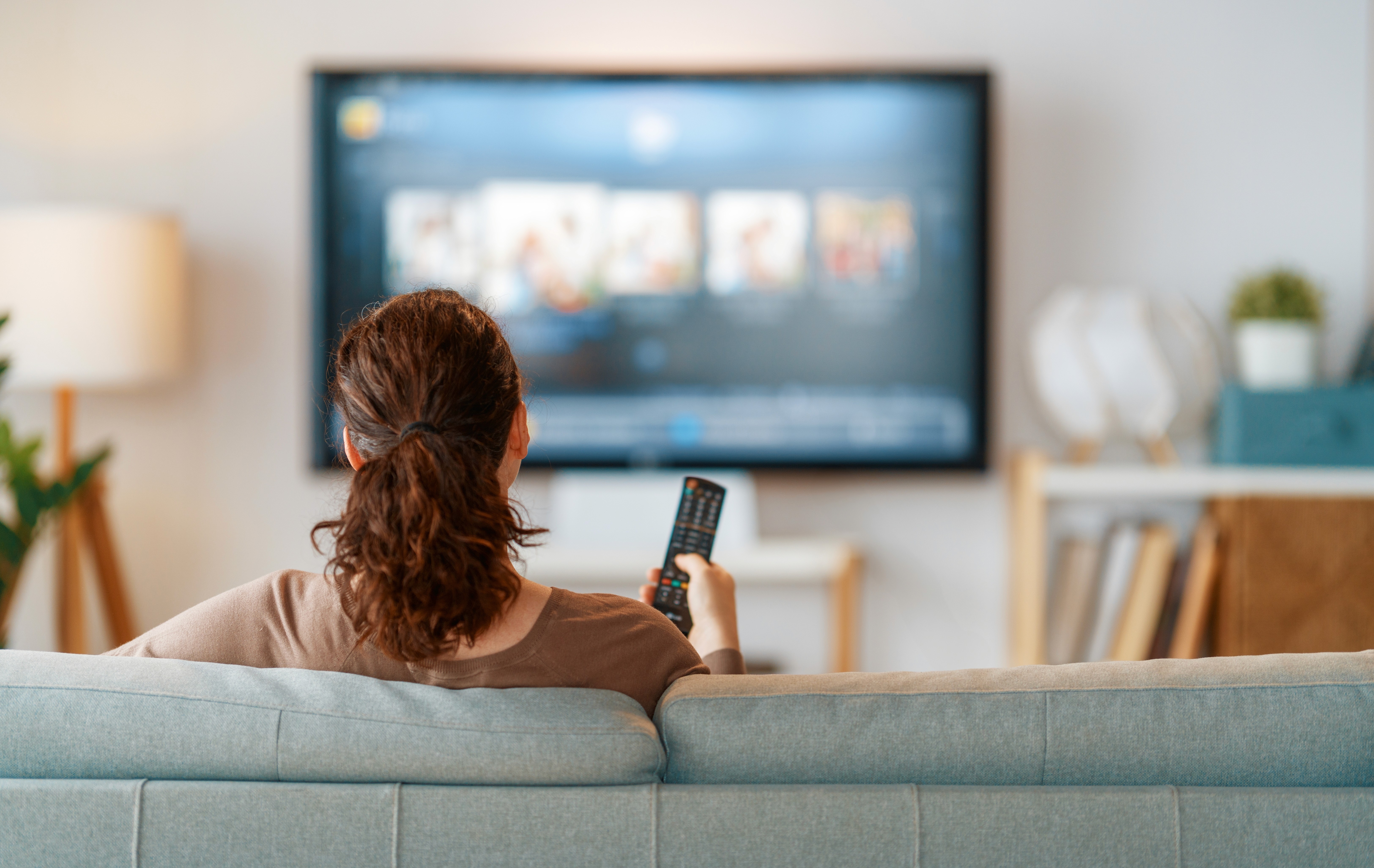
Today, linear TV, BVOD and SVOD have effectively converged into what audiences simply experience as ‘TV.’ The television set remains firmly at the centre of home entertainment, with 84% of viewers still using it as their primary screen.
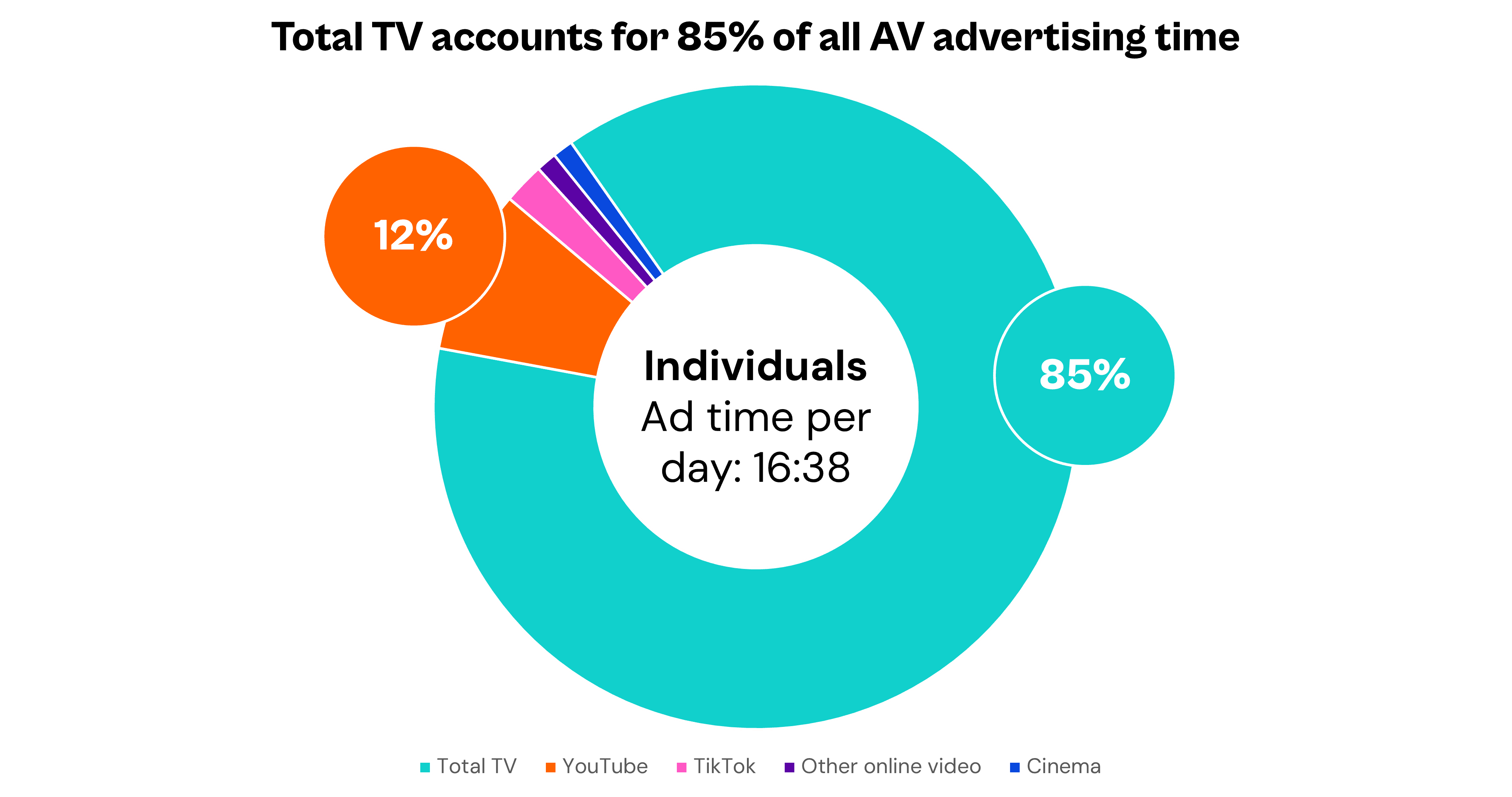
In fact, TV now represents 85% of all audio-visual advertising time, and advertising opportunities within the ecosystem continue to grow. The rise of on-demand platforms and ad-supported streaming services has expanded the market rather than shrinking it.
Evidence of this growth can be seen in the number of new brands investing in the channel. In 2025 alone, 984 advertisers used TV for the first time, highlighting that despite ongoing media fragmentation, brands still see television as a powerful engine for reach and effectiveness.
While the way TV is delivered has evolved, its role in people’s lives - and in effective advertising strategies - remains remarkably consistent.
Source: ThinkBox
The last decade has been anything but quiet. From Brexit and Covid to the meteoric rise of TikTok, geopolitical uncertainty, AI breakthroughs and multiple UK elections, the period between 2016 and 2025 has been defined by constant disruption.
Yet against this backdrop of change, television has shown remarkable resilience.
Today, linear TV, BVOD and SVOD have effectively converged into what audiences simply experience as ‘TV.’ The television set remains firmly at the centre of home entertainment, with 84% of viewers still using it as their primary screen.
In fact, TV now represents 85% of all audio-visual advertising time, and advertising opportunities within the ecosystem continue to grow. The rise of on-demand platforms and ad-supported streaming services has expanded the market rather than shrinking it.
Evidence of this growth can be seen in the number of new brands investing in the channel. In 2025 alone, 984 advertisers used TV for the first time, highlighting that despite ongoing media fragmentation, brands still see television as a powerful engine for reach and effectiveness.
While the way TV is delivered has evolved, its role in people’s lives - and in effective advertising strategies - remains remarkably consistent.
Source: ThinkBox
The last decade has been anything but quiet. From Brexit and Covid to the meteoric rise of TikTok, geopolitical uncertainty, AI breakthroughs and multiple UK elections, the period between 2016 and 2025 has been defined by constant disruption.
Yet against this backdrop of change, television has shown remarkable resilience.
Today, linear TV, BVOD and SVOD have effectively converged into what audiences simply experience as ‘TV.’ The television set remains firmly at the centre of home entertainment, with 84% of viewers still using it as their primary screen.
In fact, TV now represents 85% of all audio-visual advertising time, and advertising opportunities within the ecosystem continue to grow. The rise of on-demand platforms and ad-supported streaming services has expanded the market rather than shrinking it.
Evidence of this growth can be seen in the number of new brands investing in the channel. In 2025 alone, 984 advertisers used TV for the first time, highlighting that despite ongoing media fragmentation, brands still see television as a powerful engine for reach and effectiveness.
While the way TV is delivered has evolved, its role in people’s lives - and in effective advertising strategies - remains remarkably consistent.
Source: ThinkBox
What kind of content are British viewers watching?
Another clear signal of TV’s enduring relevance lies in the content audiences choose.
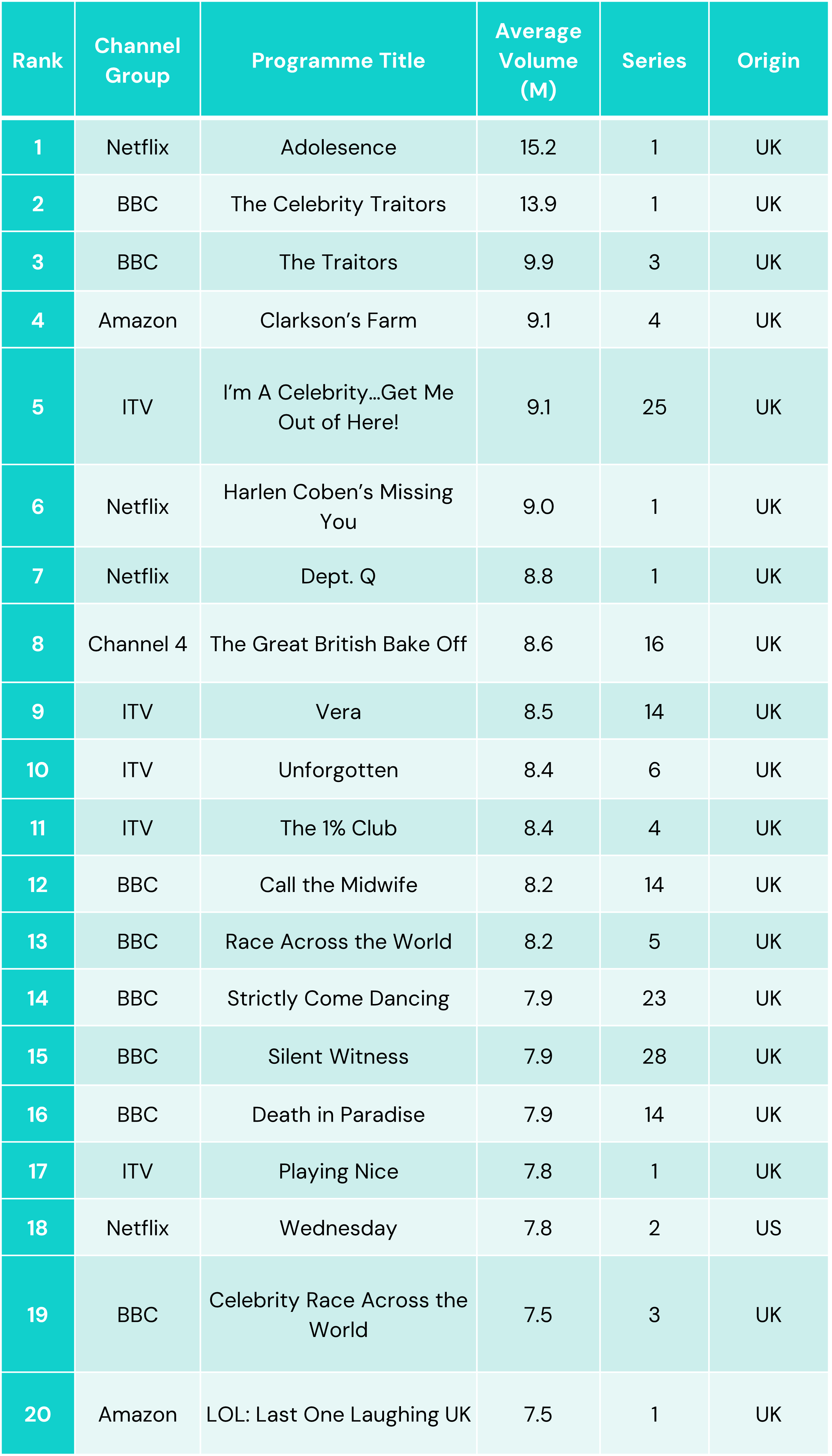
British viewers continue to gravitate towards homegrown programming, with the UK’s most-watched shows in 2025 overwhelmingly produced domestically. From The Traitors and Strictly Come Dancing to The Great British Bake Off and Clarkson’s Farm, these programmes demonstrate the enduring appeal of culturally resonant storytelling.
This matters because television doesn’t just deliver audiences; it creates shared cultural moments and sparks national conversation. Thinkbox highlighted how global sporting moments, such as the Winter Olympics, generate significant spikes in Google search activity, reflecting curiosity, engagement and real-world discussion beyond the screen.
By contrast, many viral internet trends - such as TikTok’s ‘dump dinners' or fleeting meme formats - can generate impressive view counts but very little lasting cultural impact. They travel quickly but fade just as fast. True cultural impact relies on shared meaning, repeated exposure and collective viewing - qualities television still delivers at scale.
Another clear signal of TV’s enduring relevance lies in the content audiences choose.
British viewers continue to gravitate towards homegrown programming, with the UK’s most-watched shows in 2025 overwhelmingly produced domestically. From The Traitors and Strictly Come Dancing to The Great British Bake Off and Clarkson’s Farm, these programmes demonstrate the enduring appeal of culturally resonant storytelling.
This matters because television doesn’t just deliver audiences; it creates shared cultural moments and sparks national conversation. Thinkbox highlighted how global sporting moments, such as the Winter Olympics, generate significant spikes in Google search activity, reflecting curiosity, engagement and real-world discussion beyond the screen.
By contrast, many viral internet trends - such as TikTok’s ‘dump dinners' or fleeting meme formats - can generate impressive view counts but very little lasting cultural impact. They travel quickly but fade just as fast. True cultural impact relies on shared meaning, repeated exposure and collective viewing - qualities television still delivers at scale.
Another clear signal of TV’s enduring relevance lies in the content audiences choose.
British viewers continue to gravitate towards homegrown programming, with the UK’s most-watched shows in 2025 overwhelmingly produced domestically. From The Traitors and Strictly Come Dancing to The Great British Bake Off and Clarkson’s Farm, these programmes demonstrate the enduring appeal of culturally resonant storytelling.
This matters because television doesn’t just deliver audiences; it creates shared cultural moments and sparks national conversation. Thinkbox highlighted how global sporting moments, such as the Winter Olympics, generate significant spikes in Google search activity, reflecting curiosity, engagement and real-world discussion beyond the screen.
By contrast, many viral internet trends - such as TikTok’s ‘dump dinners' or fleeting meme formats - can generate impressive view counts but very little lasting cultural impact. They travel quickly but fade just as fast. True cultural impact relies on shared meaning, repeated exposure and collective viewing - qualities television still delivers at scale.
TV vs YouTube: understanding the differences
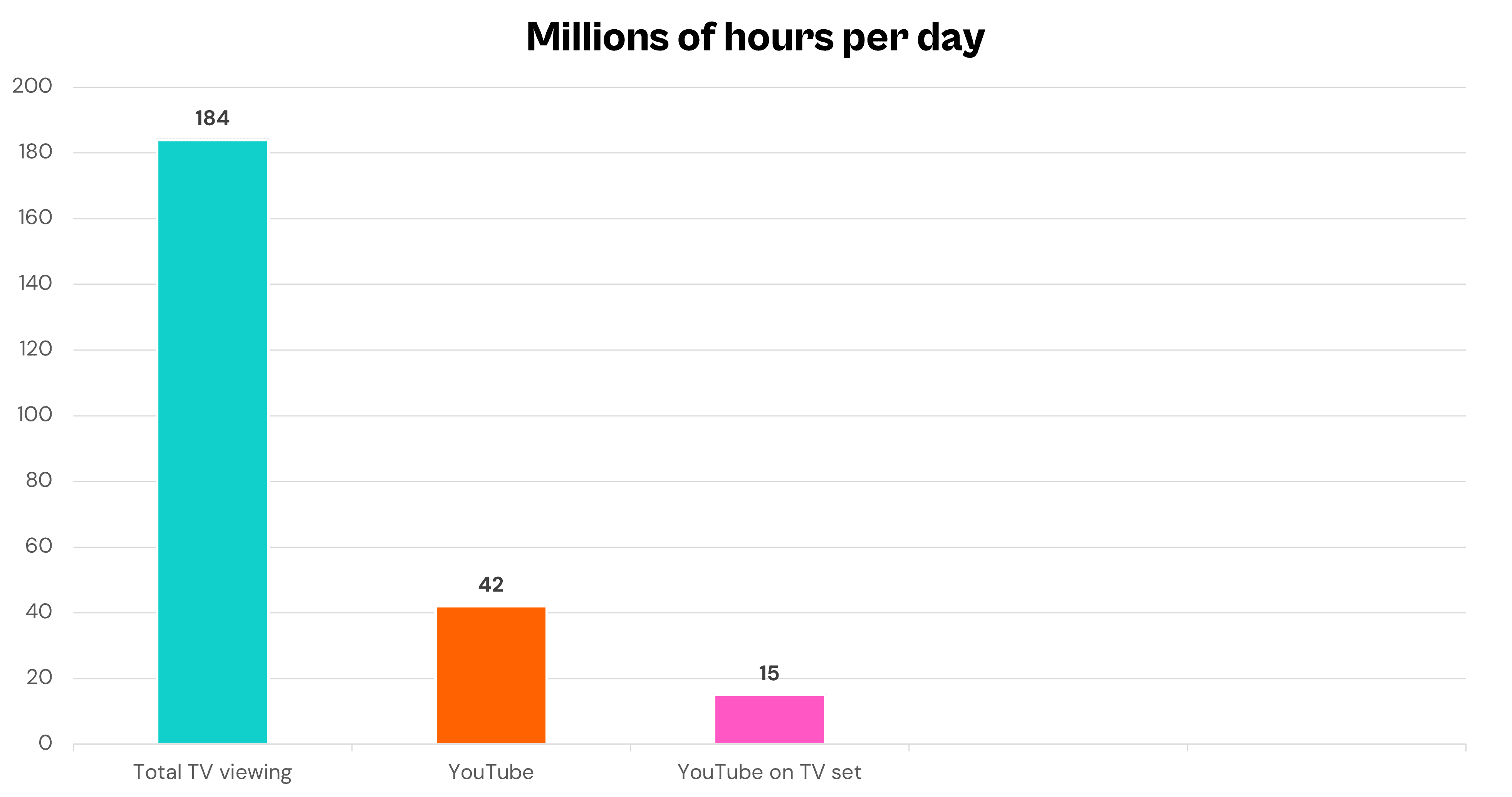
YouTube is often positioned as television’s main rival. However, Thinkbox’s data suggests the relationship is more nuanced. Rather than directly competing, the two platforms serve fundamentally different roles in people’s media habits.
Television continues to deliver unparalleled reach. On average, TV achieves the audience reach in a single day that YouTube takes an entire month to match.
Viewing patterns also differ significantly. YouTube’s audience is highly concentrated: 25% of users account for 90% of viewing time, while the remaining users average just 6 minutes per day. TV viewing, by contrast, is distributed far more evenly across the population.
Interestingly, heavy YouTube viewers also tend to watch even more television, suggesting the platforms are often complementary rather than substitutes.
Content is another key differentiator. Around 41% of YouTube viewing is ‘TV-like’ content, such as sport, music or news. The remaining 59% consists of formats without a TV equivalent, such as gaming streams and niche creator content.
For advertisers, these differences matter. The context, content quality and viewing mindset shape how audiences engage with advertising.
Source: Thinkbox
YouTube is often positioned as television’s main rival. However, Thinkbox’s data suggests the relationship is more nuanced. Rather than directly competing, the two platforms serve fundamentally different roles in people’s media habits.
Television continues to deliver unparalleled reach. On average, TV achieves the audience reach in a single day that YouTube takes an entire month to match.
Viewing patterns also differ significantly. YouTube’s audience is highly concentrated: 25% of users account for 90% of viewing time, while the remaining users average just 6 minutes per day. TV viewing, by contrast, is distributed far more evenly across the population.
Interestingly, heavy YouTube viewers also tend to watch even more television, suggesting the platforms are often complementary rather than substitutes.
Content is another key differentiator. Around 41% of YouTube viewing is ‘TV-like’ content, such as sport, music or news. The remaining 59% consists of formats without a TV equivalent, such as gaming streams and niche creator content.
For advertisers, these differences matter. The context, content quality and viewing mindset shape how audiences engage with advertising.
Source: Thinkbox
YouTube is often positioned as television’s main rival. However, Thinkbox’s data suggests the relationship is more nuanced. Rather than directly competing, the two platforms serve fundamentally different roles in people’s media habits.
Television continues to deliver unparalleled reach. On average, TV achieves the audience reach in a single day that YouTube takes an entire month to match.
Viewing patterns also differ significantly. YouTube’s audience is highly concentrated: 25% of users account for 90% of viewing time, while the remaining users average just 6 minutes per day. TV viewing, by contrast, is distributed far more evenly across the population.
Interestingly, heavy YouTube viewers also tend to watch even more television, suggesting the platforms are often complementary rather than substitutes.
Content is another key differentiator. Around 41% of YouTube viewing is ‘TV-like’ content, such as sport, music or news. The remaining 59% consists of formats without a TV equivalent, such as gaming streams and niche creator content.
For advertisers, these differences matter. The context, content quality and viewing mindset shape how audiences engage with advertising.
Source: Thinkbox
Shared viewing: context is everything
Thinkbox emphasised that not all viewing environments are equal. Factors such as screen size, production quality, viewer mood, location within the home and the presence of others all influence advertising effectiveness. One insight stood out in particular: shared viewing. Watching television together significantly enhances advertising impact:
23% higher ad recall
15% higher brand trust
75% greater liking of TV advertising
Shared viewing occurs across multiple genres - from entertainment and reality shows to sport and factual programming - and it’s not purely incidental. Media planners can deliberately design strategies that capitalise on shared viewing moments.
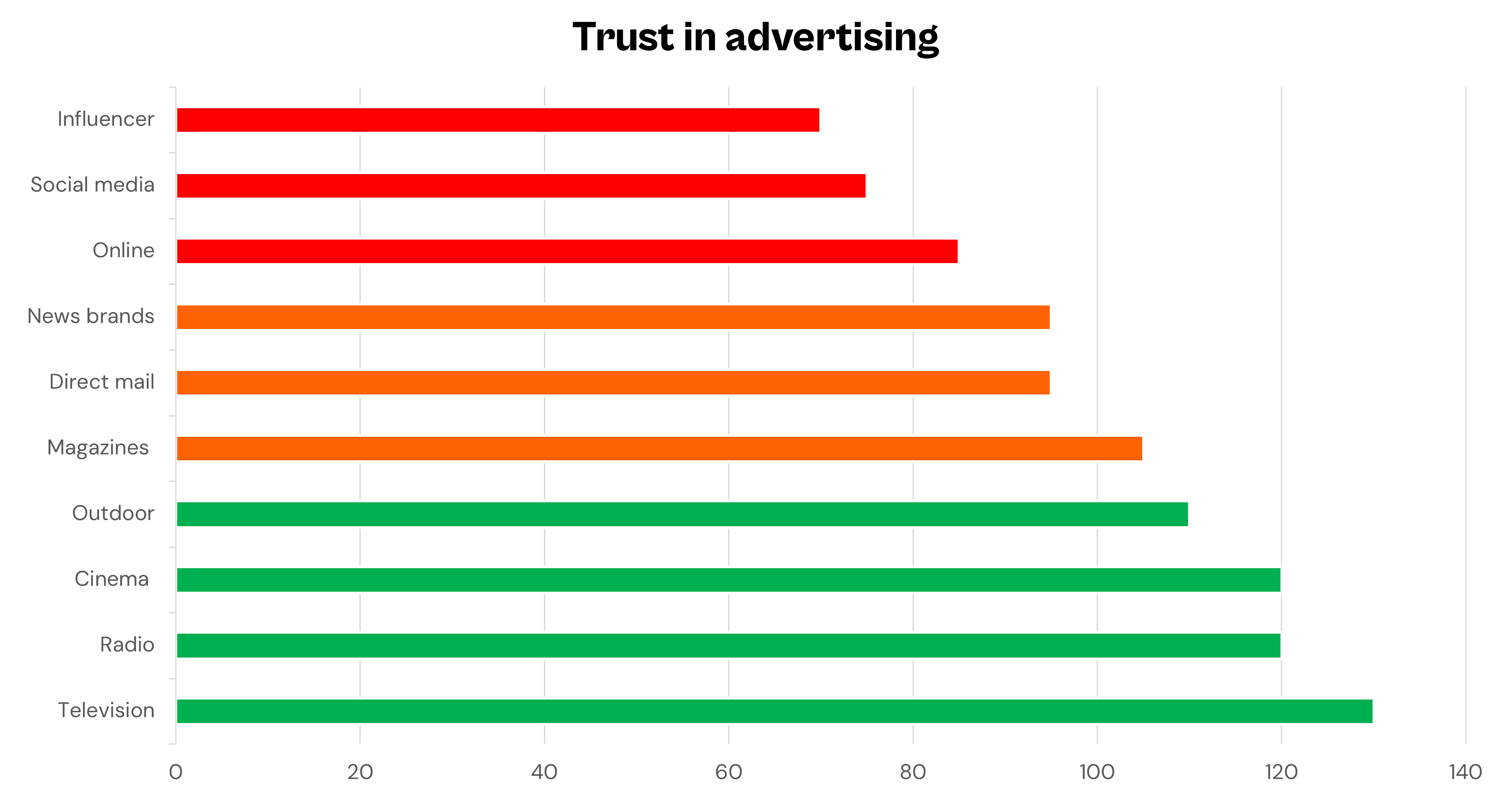
In a time when consumer trust is fragile, this matters more than ever. Credos’ Trust Tracker highlights that among audiences aged over 35, TV, radio, cinema and outdoor remain the most trusted advertising environments, while online, social media and influencer-led channels attract far greater scepticism.
Source: Credos’ Trust Tracker
Thinkbox emphasised that not all viewing environments are equal. Factors such as screen size, production quality, viewer mood, location within the home and the presence of others all influence advertising effectiveness. One insight stood out in particular: shared viewing. Watching television together significantly enhances advertising impact:
23% higher ad recall
15% higher brand trust
75% greater liking of TV advertising
Shared viewing occurs across multiple genres - from entertainment and reality shows to sport and factual programming - and it’s not purely incidental. Media planners can deliberately design strategies that capitalise on shared viewing moments.
In a time when consumer trust is fragile, this matters more than ever. Credos’ Trust Tracker highlights that among audiences aged over 35, TV, radio, cinema and outdoor remain the most trusted advertising environments, while online, social media and influencer-led channels attract far greater scepticism.
Source: Credos’ Trust Tracker
Thinkbox emphasised that not all viewing environments are equal. Factors such as screen size, production quality, viewer mood, location within the home and the presence of others all influence advertising effectiveness. One insight stood out in particular: shared viewing. Watching television together significantly enhances advertising impact:
23% higher ad recall
15% higher brand trust
75% greater liking of TV advertising
Shared viewing occurs across multiple genres - from entertainment and reality shows to sport and factual programming - and it’s not purely incidental. Media planners can deliberately design strategies that capitalise on shared viewing moments.
In a time when consumer trust is fragile, this matters more than ever. Credos’ Trust Tracker highlights that among audiences aged over 35, TV, radio, cinema and outdoor remain the most trusted advertising environments, while online, social media and influencer-led channels attract far greater scepticism.
Source: Credos’ Trust Tracker
Cutting through the chaos
The media landscape began to significantly fragment around 2015. Since then, the average person now spends more than five additional hours per day with media compared with 2008.
Around 75% of that time is spent watching video, leading to what Thinkbox describes as a modern “video land grab”, where social platforms, audio services and digital outdoor are all competing for audience attention.
Despite this fragmentation within the industry, the consumer experience is far simpler.
As one speaker noted during the event, “The consumer experience of media is not as fragmented as the language we’ve created.” Terms such as linear TV, BVOD, SVOD, and AVOD may dominate industry discussions, but audiences largely see them as simply watching TV.
The rise of addressable TV is also strengthening this unified viewing experience. Addressability is already driving 120% higher awareness than linear TV alone and 3x the number of site visits.
Addressable TV currently accounts for 63% of total TV in 2026 and is forecast to reach 74% by 2030, enabling brands to combine TV’s mass reach with increasingly sophisticated targeting capabilities.
The media landscape began to significantly fragment around 2015. Since then, the average person now spends more than five additional hours per day with media compared with 2008.
Around 75% of that time is spent watching video, leading to what Thinkbox describes as a modern “video land grab”, where social platforms, audio services and digital outdoor are all competing for audience attention.
Despite this fragmentation within the industry, the consumer experience is far simpler.
As one speaker noted during the event, “The consumer experience of media is not as fragmented as the language we’ve created.” Terms such as linear TV, BVOD, SVOD, and AVOD may dominate industry discussions, but audiences largely see them as simply watching TV.
The rise of addressable TV is also strengthening this unified viewing experience. Addressability is already driving 120% higher awareness than linear TV alone and 3x the number of site visits.
Addressable TV currently accounts for 63% of total TV in 2026 and is forecast to reach 74% by 2030, enabling brands to combine TV’s mass reach with increasingly sophisticated targeting capabilities.
The media landscape began to significantly fragment around 2015. Since then, the average person now spends more than five additional hours per day with media compared with 2008.
Around 75% of that time is spent watching video, leading to what Thinkbox describes as a modern “video land grab”, where social platforms, audio services and digital outdoor are all competing for audience attention.
Despite this fragmentation within the industry, the consumer experience is far simpler.
As one speaker noted during the event, “The consumer experience of media is not as fragmented as the language we’ve created.” Terms such as linear TV, BVOD, SVOD, and AVOD may dominate industry discussions, but audiences largely see them as simply watching TV.
The rise of addressable TV is also strengthening this unified viewing experience. Addressability is already driving 120% higher awareness than linear TV alone and 3x the number of site visits.
Addressable TV currently accounts for 63% of total TV in 2026 and is forecast to reach 74% by 2030, enabling brands to combine TV’s mass reach with increasingly sophisticated targeting capabilities.
Why TV still matters
The session closed with a simple but powerful point: brands succeed when they focus on the viewer. When advertising aligns with the viewing environment, builds trust, and taps into shared cultural moments, it cuts through more effectively.
Despite the rapid transformation of the media landscape, television still offers something distinctive: it is regulated, professionally produced, independently measured and human-verified.
These qualities create an environment of trust, accountability and cultural relevance - a combination that remains difficult for other media platforms to replicate. And that’s why, even in an increasingly complex media world, the biggest moments still happen on TV.
The session closed with a simple but powerful point: brands succeed when they focus on the viewer. When advertising aligns with the viewing environment, builds trust, and taps into shared cultural moments, it cuts through more effectively.
Despite the rapid transformation of the media landscape, television still offers something distinctive: it is regulated, professionally produced, independently measured and human-verified.
These qualities create an environment of trust, accountability and cultural relevance - a combination that remains difficult for other media platforms to replicate. And that’s why, even in an increasingly complex media world, the biggest moments still happen on TV.
The session closed with a simple but powerful point: brands succeed when they focus on the viewer. When advertising aligns with the viewing environment, builds trust, and taps into shared cultural moments, it cuts through more effectively.
Despite the rapid transformation of the media landscape, television still offers something distinctive: it is regulated, professionally produced, independently measured and human-verified.
These qualities create an environment of trust, accountability and cultural relevance - a combination that remains difficult for other media platforms to replicate. And that’s why, even in an increasingly complex media world, the biggest moments still happen on TV.
" transform="translate(0 20)" width="997px"/></svg>)
Read more


Discuss your next project with us...
To learn more about what we can offer and how we can work together, we’d love to hear from you.
London
Accord Marketing,
1 Waterhouse Square, London EC1N 2ST.
South-West
The Node, 1 Enterprise Road,
Roundswell, Barnstaple,
Devon EX31 3YB.
All enquiries
020 7271 2481
Assume nothing.
Discuss your next project with us...
To learn more about what we can offer and how we can work together, we’d love to hear from you.
London
Accord Marketing,
1 Waterhouse Square, London EC1N 2ST.
South-West
The Node, 1 Enterprise Road,
Roundswell, Barnstaple,
Devon EX31 3YB.
All enquiries
020 7271 2481
Discuss your next project with us...
To learn more about what we can offer and how we can work together, we’d love to hear from you.
London
Accord Marketing,
1 Waterhouse Square, London EC1N 2ST
South-West
The Node, 1 Enterprise Road,
Roundswell Barnstaple,
Devon EX31 3YB
All enquiries
020 7271 2481