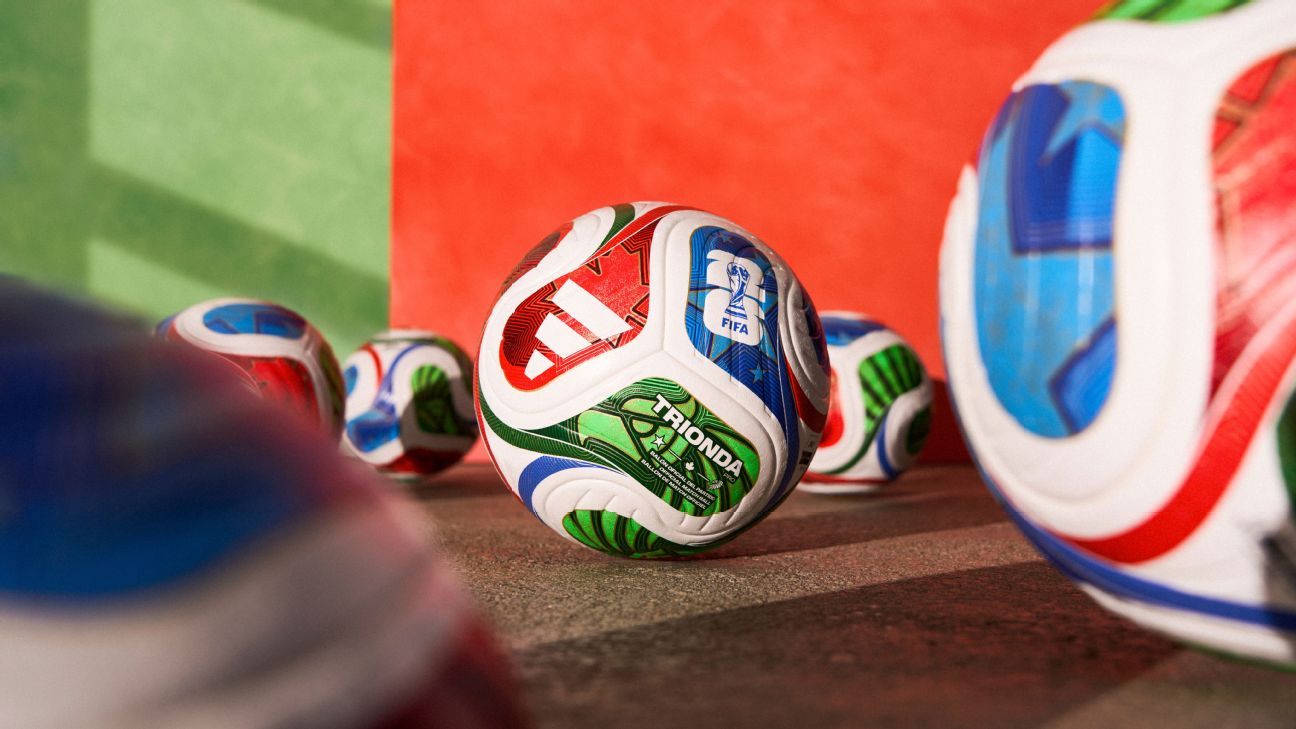
More than a match: Why the World Cup is advertising's biggest moment
More than a match: Why the World Cup is advertising's biggest moment
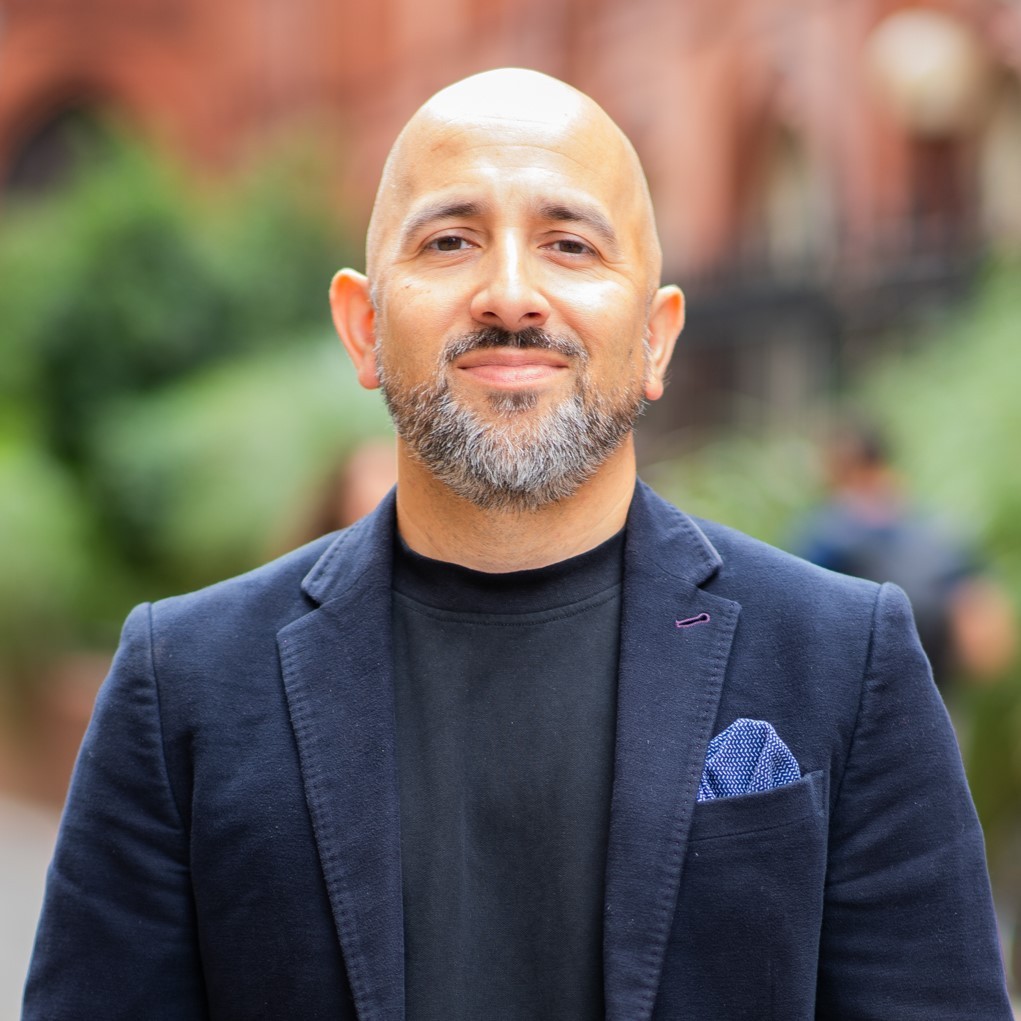
Jasman Ahmad
Strategy Director
Every four years, the World Cup does something no other event quite manages: it makes the whole world pay attention at the same time. That's not an overstatement. It's the single largest shared media moment on the planet, and for advertisers, that reach is obviously compelling. But the real opportunity goes much deeper than eyeballs. Media consumption habits change during the World Cup. People who haven't switched on a TV in months are suddenly watching live. Audio spikes during commutes and at work as fans follow along wherever they are. Out-of-home becomes a communal canvas whilst pubs, fan zones and high streets all become shared spaces. And with that shift comes something advertisers rarely get permission to be: bold. Major sporting events have always raised the creative bar. Think of the campaigns that live in memory, not because they had the biggest budget, but because they understood what fans were feeling at the moment. Two of my favourites still do exactly that: Nike’s 2021 work captured the pressure players carry behind the scenes, while the Brazil 1998 airport ad did the opposite, celebrating the pure joy of the game. So, the question isn't whether to show up - it's how. The following perspectives from our broadcast partners across TV, audio and out-of-home explore exactly that:
Every four years, the World Cup does something no other event quite manages: it makes the whole world pay attention at the same time. That's not an overstatement. It's the single largest shared media moment on the planet, and for advertisers, that reach is obviously compelling. But the real opportunity goes much deeper than eyeballs. Media consumption habits change during the World Cup. People who haven't switched on a TV in months are suddenly watching live. Audio spikes during commutes and at work as fans follow along wherever they are. Out-of-home becomes a communal canvas whilst pubs, fan zones and high streets all become shared spaces. And with that shift comes something advertisers rarely get permission to be: bold. Major sporting events have always raised the creative bar. Think of the campaigns that live in memory, not because they had the biggest budget, but because they understood what fans were feeling at the moment. Two of my favourites still do exactly that: Nike’s 2021 work captured the pressure players carry behind the scenes, while the Brazil 1998 airport ad did the opposite, celebrating the pure joy of the game. So, the question isn't whether to show up - it's how. The following perspectives from our broadcast partners across TV, audio and out-of-home explore exactly that:
Every four years, the World Cup does something no other event quite manages: it makes the whole world pay attention at the same time. That's not an overstatement. It's the single largest shared media moment on the planet, and for advertisers, that reach is obviously compelling. But the real opportunity goes much deeper than eyeballs. Media consumption habits change during the World Cup. People who haven't switched on a TV in months are suddenly watching live. Audio spikes during commutes and at work as fans follow along wherever they are. Out-of-home becomes a communal canvas whilst pubs, fan zones and high streets all become shared spaces. And with that shift comes something advertisers rarely get permission to be: bold. Major sporting events have always raised the creative bar. Think of the campaigns that live in memory, not because they had the biggest budget, but because they understood what fans were feeling at the moment. Two of my favourites still do exactly that: Nike’s 2021 work captured the pressure players carry behind the scenes, while the Brazil 1998 airport ad did the opposite, celebrating the pure joy of the game. So, the question isn't whether to show up - it's how. The following perspectives from our broadcast partners across TV, audio and out-of-home explore exactly that:
Audio. The view from Nick Gee, Radio experts
With the likes of talkSPORT broadcasting every game live, stations building bespoke tournament content, and a growing ecosystem of football podcasts offering wall-to-wall reaction and opinion, fans now have endless choice in how they follow along.
This tournament represents a major commercial moment, and the regulars will compete hard for share of voice. But the real opportunity in audio extends well beyond the obvious categories. The channel's unique strength is speed and cultural responsiveness, and that's available to any brand willing to think in moments rather than campaigns.
A last-minute winner. A controversial refereeing call. A shock result. Audio can respond to all of these within minutes, feeling less like advertising and more like part of the conversation fans are already having.
Euro 2024 showed what this looks like in practice. Burger King partnered with talkSPORT to crown a 'King Performance' player after every game and celebrate the 'Delivery of the Day’, simple executions that tied product directly to live action. Carling's 'Carling Correspondent' reported live from a pub, placing the brand at the centre of fan culture rather than above it.
The lesson from those above: don't try to own the tournament. It's too big and too fragmented for that. Instead, own a moment, find a creative angle that's specific, reactive, and human. In audio, the best World Cup campaigns won't feel like ads at all. They'll feel like part of the entertainment.
With the likes of talkSPORT broadcasting every game live, stations building bespoke tournament content, and a growing ecosystem of football podcasts offering wall-to-wall reaction and opinion, fans now have endless choice in how they follow along.
This tournament represents a major commercial moment, and the regulars will compete hard for share of voice. But the real opportunity in audio extends well beyond the obvious categories. The channel's unique strength is speed and cultural responsiveness, and that's available to any brand willing to think in moments rather than campaigns.
A last-minute winner. A controversial refereeing call. A shock result. Audio can respond to all of these within minutes, feeling less like advertising and more like part of the conversation fans are already having.
Euro 2024 showed what this looks like in practice. Burger King partnered with talkSPORT to crown a 'King Performance' player after every game and celebrate the 'Delivery of the Day’, simple executions that tied product directly to live action. Carling's 'Carling Correspondent' reported live from a pub, placing the brand at the centre of fan culture rather than above it.
The lesson from those above: don't try to own the tournament. It's too big and too fragmented for that. Instead, own a moment, find a creative angle that's specific, reactive, and human. In audio, the best World Cup campaigns won't feel like ads at all. They'll feel like part of the entertainment.
With the likes of talkSPORT broadcasting every game live, stations building bespoke tournament content, and a growing ecosystem of football podcasts offering wall-to-wall reaction and opinion, fans now have endless choice in how they follow along.
This tournament represents a major commercial moment, and the regulars will compete hard for share of voice. But the real opportunity in audio extends well beyond the obvious categories. The channel's unique strength is speed and cultural responsiveness, and that's available to any brand willing to think in moments rather than campaigns.
A last-minute winner. A controversial refereeing call. A shock result. Audio can respond to all of these within minutes, feeling less like advertising and more like part of the conversation fans are already having.
Euro 2024 showed what this looks like in practice. Burger King partnered with talkSPORT to crown a 'King Performance' player after every game and celebrate the 'Delivery of the Day’, simple executions that tied product directly to live action. Carling's 'Carling Correspondent' reported live from a pub, placing the brand at the centre of fan culture rather than above it.
The lesson from those above: don't try to own the tournament. It's too big and too fragmented for that. Instead, own a moment, find a creative angle that's specific, reactive, and human. In audio, the best World Cup campaigns won't feel like ads at all. They'll feel like part of the entertainment.
OOH. The view from Michael Huckerby, Talon
Even with the tournament happening across the Atlantic, UK fans want to feel the tournament, whether that’s watching together in pubs or hosting friends at home. With many of the key fixtures kicking off in the evening (UK time), OOH represents a great opportunity to tap into the post work rush, as fans excitedly (or nervously!) flock to their viewing venue of choice.
This is exactly where OOH comes into its own. Match days get people moving, trips to the supermarket, journeys to viewing spots, popping out for food and drinks before or after the game. Rather than interrupting those moments, OOH fits naturally into them, showing up along real journeys, around real plans and influencing last minute decisions as excitement builds.
What will really help brands stand out during the tournament isn’t just how big they go, but how those moments feel to fans. The strongest campaigns will be timely, culturally fluent and genuinely entertaining, reacting to results, kick off times, local context and fan mood. In a tournament built on shared experiences, just like OOH itself, the campaigns that win will feel less like advertising and more like moments of belonging, right there with the fans. Like with the BBC’s ‘Don’t Say It, It’s Coming Home’ campaign during the 2020 Euros when England came tantalisingly close to victory, or more recently when Specsavers’ spotlighted Sarina Wiegman’s iconic specs with a cheeky “Good luck, great look” before kick-off at the Women’s Euros final, then playfully switching up the creative to “Good times never looked so good” the moment the Lionesses won.
Even with the tournament happening across the Atlantic, UK fans want to feel the tournament, whether that’s watching together in pubs or hosting friends at home. With many of the key fixtures kicking off in the evening (UK time), OOH represents a great opportunity to tap into the post work rush, as fans excitedly (or nervously!) flock to their viewing venue of choice.
This is exactly where OOH comes into its own. Match days get people moving, trips to the supermarket, journeys to viewing spots, popping out for food and drinks before or after the game. Rather than interrupting those moments, OOH fits naturally into them, showing up along real journeys, around real plans and influencing last minute decisions as excitement builds.
What will really help brands stand out during the tournament isn’t just how big they go, but how those moments feel to fans. The strongest campaigns will be timely, culturally fluent and genuinely entertaining, reacting to results, kick off times, local context and fan mood. In a tournament built on shared experiences, just like OOH itself, the campaigns that win will feel less like advertising and more like moments of belonging, right there with the fans. Like with the BBC’s ‘Don’t Say It, It’s Coming Home’ campaign during the 2020 Euros when England came tantalisingly close to victory, or more recently when Specsavers’ spotlighted Sarina Wiegman’s iconic specs with a cheeky “Good luck, great look” before kick-off at the Women’s Euros final, then playfully switching up the creative to “Good times never looked so good” the moment the Lionesses won.
Even with the tournament happening across the Atlantic, UK fans want to feel the tournament, whether that’s watching together in pubs or hosting friends at home. With many of the key fixtures kicking off in the evening (UK time), OOH represents a great opportunity to tap into the post work rush, as fans excitedly (or nervously!) flock to their viewing venue of choice.
This is exactly where OOH comes into its own. Match days get people moving, trips to the supermarket, journeys to viewing spots, popping out for food and drinks before or after the game. Rather than interrupting those moments, OOH fits naturally into them, showing up along real journeys, around real plans and influencing last minute decisions as excitement builds.
What will really help brands stand out during the tournament isn’t just how big they go, but how those moments feel to fans. The strongest campaigns will be timely, culturally fluent and genuinely entertaining, reacting to results, kick off times, local context and fan mood. In a tournament built on shared experiences, just like OOH itself, the campaigns that win will feel less like advertising and more like moments of belonging, right there with the fans. Like with the BBC’s ‘Don’t Say It, It’s Coming Home’ campaign during the 2020 Euros when England came tantalisingly close to victory, or more recently when Specsavers’ spotlighted Sarina Wiegman’s iconic specs with a cheeky “Good luck, great look” before kick-off at the Women’s Euros final, then playfully switching up the creative to “Good times never looked so good” the moment the Lionesses won.
TV. The view from George Hughes, Piqniq
The last World Cup was a strange one for a few reasons, mainly because it was held in winter, in Qatar, under a cloud of political controversy but from a TV advertising perspective, hosting the tournament then meant audiences were far more likely to be watching from their sofas than their local beer garden.
That shift in viewing behaviour created greater opportunity, particularly those tied to at-home moments. It also offered up a rare opportunity to double up - Sports Direct's 'Give Me Football' campaign blurred the lines between a World Cup activation and a Christmas ad.
Fast forward to this summer, and the landscape has shifted again. The tournament returns to a traditional summer window, which changes the viewing context entirely. We can expect to see the usual big spenders in beer, sportswear, food and tec, as well as local travel brands, tourist boards and businesses who will look to maximise the moment. The World Cup is made for brands that benefit from shared viewing, emotional intensity, national pride and real-time conversations and presents a unique moment in the TV advertising calendar.
Creatively, we’re also expecting to see a movement in format innovation. While picture-in-picture executions, similar to what we saw in the Six Nations, may not land at this World Cup, they feel like a clear sign of where creative formats are heading. The World Cup has always pushed TV advertising forward. This one should be no different.
The last World Cup was a strange one for a few reasons, mainly because it was held in winter, in Qatar, under a cloud of political controversy but from a TV advertising perspective, hosting the tournament then meant audiences were far more likely to be watching from their sofas than their local beer garden.
That shift in viewing behaviour created greater opportunity, particularly those tied to at-home moments. It also offered up a rare opportunity to double up - Sports Direct's 'Give Me Football' campaign blurred the lines between a World Cup activation and a Christmas ad.
Fast forward to this summer, and the landscape has shifted again. The tournament returns to a traditional summer window, which changes the viewing context entirely. We can expect to see the usual big spenders in beer, sportswear, food and tec, as well as local travel brands, tourist boards and businesses who will look to maximise the moment. The World Cup is made for brands that benefit from shared viewing, emotional intensity, national pride and real-time conversations and presents a unique moment in the TV advertising calendar.
Creatively, we’re also expecting to see a movement in format innovation. While picture-in-picture executions, similar to what we saw in the Six Nations, may not land at this World Cup, they feel like a clear sign of where creative formats are heading. The World Cup has always pushed TV advertising forward. This one should be no different.
The last World Cup was a strange one for a few reasons, mainly because it was held in winter, in Qatar, under a cloud of political controversy but from a TV advertising perspective, hosting the tournament then meant audiences were far more likely to be watching from their sofas than their local beer garden.
That shift in viewing behaviour created greater opportunity, particularly those tied to at-home moments. It also offered up a rare opportunity to double up - Sports Direct's 'Give Me Football' campaign blurred the lines between a World Cup activation and a Christmas ad.
Fast forward to this summer, and the landscape has shifted again. The tournament returns to a traditional summer window, which changes the viewing context entirely. We can expect to see the usual big spenders in beer, sportswear, food and tec, as well as local travel brands, tourist boards and businesses who will look to maximise the moment. The World Cup is made for brands that benefit from shared viewing, emotional intensity, national pride and real-time conversations and presents a unique moment in the TV advertising calendar.
Creatively, we’re also expecting to see a movement in format innovation. While picture-in-picture executions, similar to what we saw in the Six Nations, may not land at this World Cup, they feel like a clear sign of where creative formats are heading. The World Cup has always pushed TV advertising forward. This one should be no different.
…and finally, what this means for marketing. The view from Accord Strategy Director, Jasman Ahmad
Reading through the above, one thing stands out: the World Cup doesn't just give you a bigger audience. It gives you a different one.
Fans watching a tense knockout game aren't in the same headspace as someone scrolling on a Tuesday afternoon. They're invested. That's often rare, and most advertising plans don't account for it nearly enough. The brands remembered after these tournaments aren't always the ones with the biggest budgets. They're the ones that understood what the moment called for and had the courage to meet it.
Which means three honest questions if you're planning right now:
Can you move fast enough to be reactive when the moments happen?
Do you have something to say, or just somewhere to say it?
And are you following the fan across their day, or just buying the game?
The World Cup is one of those rare moments where people actually want to be part of something bigger. The brands that earn a place in that feeling, rather than just buying space around it, are the ones people remember when it's over.
But the real question is... is it coming home this year?
Reading through the above, one thing stands out: the World Cup doesn't just give you a bigger audience. It gives you a different one.
Fans watching a tense knockout game aren't in the same headspace as someone scrolling on a Tuesday afternoon. They're invested. That's often rare, and most advertising plans don't account for it nearly enough. The brands remembered after these tournaments aren't always the ones with the biggest budgets. They're the ones that understood what the moment called for and had the courage to meet it.
Which means three honest questions if you're planning right now:
Can you move fast enough to be reactive when the moments happen?
Do you have something to say, or just somewhere to say it?
And are you following the fan across their day, or just buying the game?
The World Cup is one of those rare moments where people actually want to be part of something bigger. The brands that earn a place in that feeling, rather than just buying space around it, are the ones people remember when it's over.
But the real question is... is it coming home this year?
Reading through the above, one thing stands out: the World Cup doesn't just give you a bigger audience. It gives you a different one.
Fans watching a tense knockout game aren't in the same headspace as someone scrolling on a Tuesday afternoon. They're invested. That's often rare, and most advertising plans don't account for it nearly enough. The brands remembered after these tournaments aren't always the ones with the biggest budgets. They're the ones that understood what the moment called for and had the courage to meet it.
Which means three honest questions if you're planning right now:
Can you move fast enough to be reactive when the moments happen?
Do you have something to say, or just somewhere to say it?
And are you following the fan across their day, or just buying the game?
The World Cup is one of those rare moments where people actually want to be part of something bigger. The brands that earn a place in that feeling, rather than just buying space around it, are the ones people remember when it's over.
But the real question is... is it coming home this year?
" transform="translate(0 20)" width="997px"/></svg>)
Read more


Discuss your next project with us...
To learn more about what we can offer and how we can work together, we’d love to hear from you.
London
Accord Marketing,
1 Waterhouse Square, London EC1N 2ST.
South-West
The Node, 1 Enterprise Road,
Roundswell, Barnstaple,
Devon EX31 3YB.
All enquiries
020 7271 2481
Assume nothing.
Discuss your next project with us...
To learn more about what we can offer and how we can work together, we’d love to hear from you.
London
Accord Marketing,
1 Waterhouse Square, London EC1N 2ST.
South-West
The Node, 1 Enterprise Road,
Roundswell, Barnstaple,
Devon EX31 3YB.
All enquiries
020 7271 2481
Discuss your next project with us...
To learn more about what we can offer and how we can work together, we’d love to hear from you.
London
Accord Marketing,
1 Waterhouse Square, London EC1N 2ST
South-West
The Node, 1 Enterprise Road,
Roundswell Barnstaple,
Devon EX31 3YB
All enquiries
020 7271 2481